Signs Your HVAC System Needs Repair
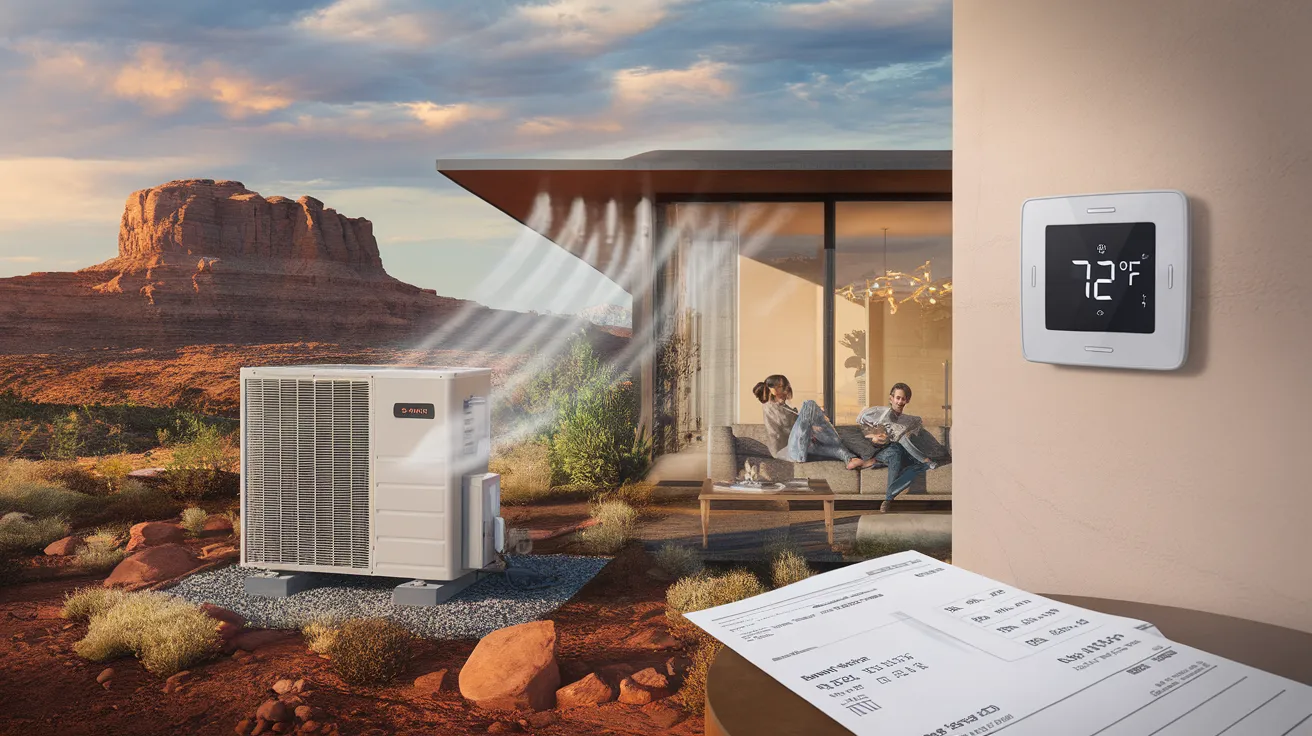
Keeping cool in the hot Southern Utah climate can be both energy-efficient and cost-effective. Emphasize effective insulation, smart thermostat settings, and routine air conditioning upkeep. Take advantage of natural ventilation, install window shading, and evaluate the advantages of energy efficient ductless systems. Remember the impact of smart landscape design, like well-planned tree locations and cooling ground surfaces, which can reduce heat absorption. Interested in learning the nitty-gritty of transforming your residence into a summer sanctuary without running your AC constantly and increasing energy costs? Follow along!
Key Findings
Understanding the Fundamentals of Cost-Effective Air Conditioning
While you might think that maximizing the air conditioner is the single option to cool your living space during summer, understanding the basics of energy-efficient cooling will give you new insights. It's not just about comfort, it's also about energy conservation. Remember that cooling techniques like insulation, shading, and ventilation can significantly decrease your energy usage. By ensuring good insulation, you're stopping cool air from escaping, thereby decreasing the need to continuously run your AC. Shading your windows, especially those exposed to sunlight, can reduce heat absorption. And ventilation, whether passive or powered, helps move air around, keeping your home cool. A more energy-efficient home isn't merely budget-friendly, it's environmentally-friendly too.
Selecting the Best Air Conditioner
Understanding energy-efficient cooling methods is a great foundation. Yet picking the right air conditioning system is key to optimize these methods. Deciding between central and ductless requires careful thought. Central systems cool your entire home, while ductless units cool specific areas. Both options have their benefits, but ductless systems can be more efficient if some areas are used less frequently. Check the energy ratings when making your choice. Better ratings mean more energy savings, but may cost more initially. You'll need to weigh the options, but selecting a high-performance unit pays off in the future. Keep in mind, the right choice helps handle that Southern Utah heat efficiently.
The Role of Home Insulation in Maintaining a Cool Home
While you might not immediately consider it, effective insulation plays a crucial role in regulating indoor comfort during the summer season. Insulation materials work by providing thermal resistance, slowing the rate of heat transfer from your indoor space to the hot exterior. This means that the cooler air created by your air conditioning system is retained more effectively, easing the load on your AC unit and reducing costs on energy costs. It's important to choose insulation with a high R-value, which demonstrates greater thermal resistance. From various insulation types, the appropriate insulation can make a world of difference in your home's seasonal temperature control and power consumption.
Harnessing the Potential of Natural Air Circulation
You can utilize natural ventilation to keep your home cool and lower your energy expenses. By understanding how it works, you can get the most from the positive effects of cross-ventilation in daytime. Furthermore, using a nighttime ventilation strategy can offer significant cooling advantages when temperatures decrease.
Exploring Natural Ventilation
While it may seem complicated, understanding natural ventilation is easier than you might think. It's essentially about controlling the air movement in your home to keep comfortable temperatures while reducing dependence on energy-intensive air conditioning. The secret is understanding the right time to open your windows and doors to let the cool air in, and the right time to close them to keep the heat out. You'll should also understand different ventilation techniques that can optimize airflow, such as positioning fans in key areas and creating pathways for air to circulate. By leveraging the power of natural ventilation, you're not only keeping your home cooler, you're also supporting a more sustainable future.
Maximizing Cross-Ventilation Benefits
To effectively utilize the effectiveness of natural ventilation, it's vital to maximize airflow advantages. This calls for strategic placement of windows and utilizing cross ventilation principles. When installing windows, aim for those that face opposite directions. This forms a pathway for air to move easily in and out of your home, providing natural temperature control.
Additionally, you can optimize this ventilation by opening adjacent windows. This encourages a cross breeze that can significantly lower indoor temperatures. To get the most from the effectiveness, verify that the windows are not blocked by obstacles, both inside and outside, such as furniture or plants. By monitoring these factors, you're maximizing natural ventilation and lowering your dependence on power-hungry cooling systems.
Evening Ventilation Protocol
While hot summer days may be sweltering, evening hours often bring a refreshing coolness that you can utilize to your benefit. Here's where a night cooling method comes into play. By leveraging the power of natural ventilation, you can achieve effective nighttime cooling and enhanced air circulation.
Initiate by propping open windows and doors as soon as the outside temperature drops below the inside temperature. This encourages cool air to enter and drive the warm air out, generating a natural air circulation. Then, as dawn approaches and the temperature begins to rise, secure everything up to trap the cool air inside. Implementing this straightforward but powerful strategy can make a considerable difference in preserving a cozy and energy-saving home during the blistering Southern Utah summers.
The Significance of AC System Maintenance
It's often overlooked, but regular AC maintenance is essential in avoiding AC breakdowns during those scorching summer months. It not only enhances your AC's performance, but it's also critical for maximizing the unit's service life. So, let's talk about why this is essential to your household's power consumption.
Avoiding System Capacity Issues
When summer temperatures can drive your AC system to its limits, consistent servicing can help stop system failures. Compare your AC as a car. You wouldn't start a lengthy journey without verifying the oil, right? The same applies to your cooling system. Scheduled inspections can ensure efficient operation, lower the risk of failures, and help with energy savings.
Important maintenance tasks include changing filters every month, cleaning the coils, and verifying sufficient refrigerant. Ignoring these crucial tasks can result in inefficiencies, making your cooling system to use more power and consume additional energy. Therefore, give your AC the attention it needs. Regular maintenance doesn't just helps prevent excessive strain but also extends its operational duration.
Optimizing AC Performance
To make sure your AC operates at peak performance, regular maintenance should be a top priority. Neglecting this can result in reduced performance and higher expenses. Prevent this from occurring. AC optimization strategies include periodically replacing or cleaning filters, verifying your system operates efficiently.
Cooling system upgrades are highly beneficial. Installing a programmable thermostat enables you to adjust temperature settings, reducing energy consumption when the house is empty. It's also worth considering addressing duct leakage. Leaky ducts can waste up to 30% of your cooling system's output.
To ensure optimal AC performance, you'll need to stay on top of maintenance and evaluate potential system upgrades. Your reward will be a cooler home and more manageable utility expenses during the summer months.
Increasing Equipment Longevity
Beyond the immediate advantages of lower power usage and monetary benefits, regular AC maintenance also plays a pivotal role in prolonging the longevity of your system. Regular system upkeep isn't just about resolving issues as they emerge; it's about preventing them. By consistently maintaining and checking your AC system, you reduce wear and tear, boost performance, and increase its durability. Think of it as an investment in lifespan extension. Keep in mind, a well-maintained AC unit performs more efficiently it endures longer. So, don't overlook regular maintenance. It'll keep your system running smoothly, lower your expenses in the long run, and help you combat the Southern Utah heat efficiently and effectively.
Intelligent Thermostats: The Future of Energy Conservation
If you're seeking a reliable approach to energy conservation this summer, a smart thermostat may be the innovation you need. With the ability to understand your patterns and modify temperatures automatically, it's far superior to conventional thermostats. The benefits of a smart thermostat exceed simple convenience. When utilizing one, you're making an informed decision to improve energy efficiency in your home, and this results in significant energy savings. You can also operate remotely it through an app, delivering even more flexibility. Basically, a smart thermostat puts you in full control of your home's energy use, maintaining comfort in the Southern Utah heat without high expenses.
Essential Landscaping Tips for Better Cooling and Energy Efficiency
While a smart thermostat remains an effective method of managing energy use in your home, another effective method comes from smart landscaping. Planting shade trees on the south and west sides of your home can reduce your air conditioning needs substantially. These natural shade providers act as natural barriers against the sun's heat, enhancing outdoor cooling.
Consider adding xeriscaping plants into your yard. These low-water varieties require minimal water, conserving this precious resource. Furthermore, their capability to flourish in hot conditions helps create a more temperate atmosphere.
In conclusion, avoid using dark, absorbent materials for walkways or patios. Select reflective surfaces as an alternative. They deflect the sun's rays, helping decrease heat around your home and boosting your energy efficiency.
Popular Questions
What's the Effect of Humidity on Energy-Efficient Cooling in Southern Utah?
Humidity affects the energy efficiency of your cooling system. When the air is humid, your system works harder to cool it, leading to higher energy usage. Therefore, using a dehumidifier can help reduce your AC's workload and reduce your energy costs.
What Are Some Eco-Friendly Substitutes for Air Conditioning?
Think about ceiling fans and evaporative coolers as eco-friendly options to traditional AC. These solutions work well, are energy-conscious, and decrease your carbon footprint. It's an more info efficient, cost-effective solution for maintaining comfort in Southern Utah.
Can Solar Energy Power Efficient Cooling Systems
Indeed, you can use solar power for energy-efficient cooling. Solar cooling systems harness solar panel efficiency to supply your cooling needs, making it a environmentally friendly, economical alternative to conventional air conditioning.
How Do Evening Temperatures Impact Energy Efficiency?
When nighttime temperatures fall, you have a chance to boost energy savings. Open your windows to welcome the cool air, allowing you to minimize air conditioning needs. Remember that properly handling overnight temperature drops efficiently addresses varying temperatures.
Tax Benefits Available When Installing Energy-Efficient Cooling Systems
You can qualify for tax incentives when setting up power-saving cooling equipment. Check out local and federal programs for installation rebates. It's a practical method to offset costs while decreasing your ecological footprint and summer cooling bills.
Final Thoughts
You're ready to conquer the Southern Utah heat this summer! Keep in mind, an energy-efficient cooling system is more attainable than discovering a snowball in the desert. With an efficient AC, quality insulation, natural ventilation, regular maintenance, a smart thermostat, and thoughtful landscaping, you can enjoy a comfortable, inviting home without straining your budget. You're conserving energy and, you're also taking a significant step towards eco-friendly living.